

Sales prospecting tools, from the list to the booked call
Sales prospecting tools split along the three steps of a prospecting day: finding people worth contacting, contacting them, and getting the conversation onto a calendar or a call. Very few products cover all three well, so most stacks pair a data source with a sending tool and a scheduling link. The find and enrich layer supplies the list, either from an owned database or by completing records you already hold. The reach out layer runs the sequence, and it is where the biggest decision sits, because a tool built for cold email at volume looks nothing like one built for LinkedIn, and the two rarely substitute for each other. The book and call layer closes the loop, either by handing over a link or by dialing. Everything below is grouped by that job and not ranked, because the right pick depends on the channel your buyers answer. Prices carry the month they were checked, and several vendors in the list publish nothing at all and quote per account instead, which is worth knowing before a comparison spreadsheet gets built.
Where the list comes from. Some of these hold their own records, others assemble a record from several providers, and the pricing unit is usually a credit rather than a seat.

Prospecting starts here for a lot of teams: filter an audience, reveal the contacts and push them into a sequence without leaving the tab. LinkedIn steps inside that sequence are manual task reminders, per their own documentation.
Full dossier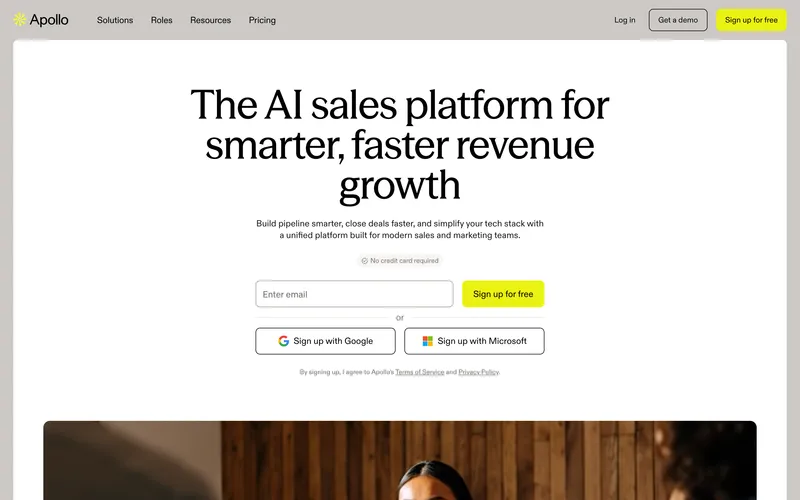

The choice when prospecting data is governed by procurement rather than a company card, with intent, org charts and CRM workflow on one contract. Every edition above the free Lite tier is quoted, checked August 2026.
Full dossier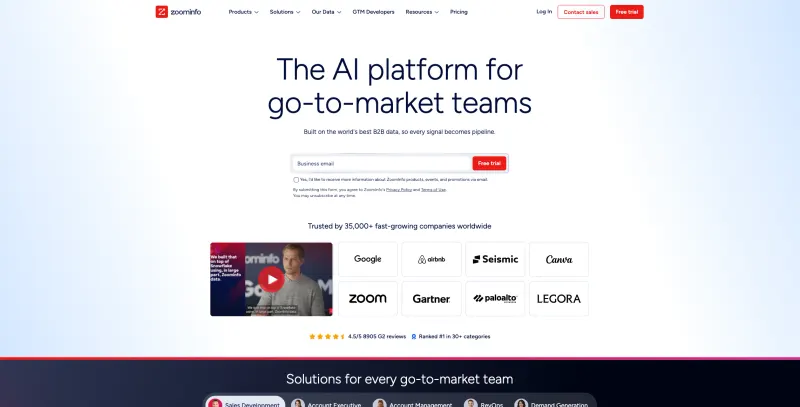

For teams whose prospecting is a build rather than a search, chaining providers, AI research and CRM sync into one table. Two meters, actions and data credits, decide the monthly cost.
Full dossier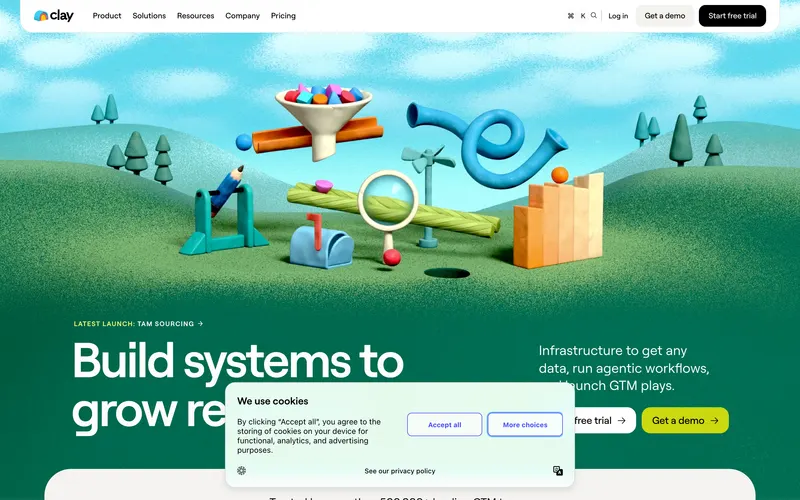

Fits a phone first motion in Europe, where the useful output is a mobile number that has been verified by a person and screened against do not call lists before a rep dials it.
Full dossier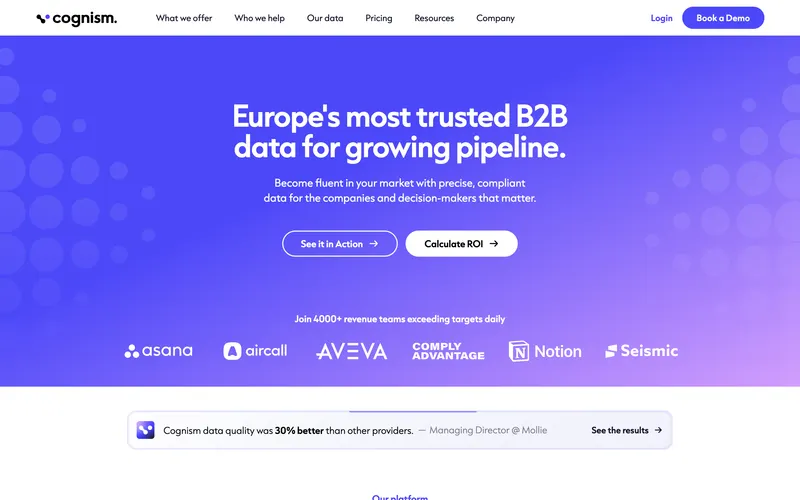

Built for the reveal a rep does mid research, one profile at a time, rather than for bulk list building. Sold in credits per seat, with a free allowance for testing.
Full dossier

The plain answer when prospecting only needs an address on a known domain, with a published price, a confidence score per result and verification in the same account.
Full dossier
The sending layer, and the part of the stack that decides what the rest looks like. Cold email platforms and LinkedIn platforms are built on different assumptions about volume, infrastructure and who owns the account.

Sequences LinkedIn connection requests, follow ups, voice notes and video steps, where each video is generated for the individual lead by an AI clone of the sender, with replies landing in a shared inbox and a pipeline board. Cold email still needs a second tool, since the email, WhatsApp and Instagram channels sit on the roadmap and are not live.
Full dossier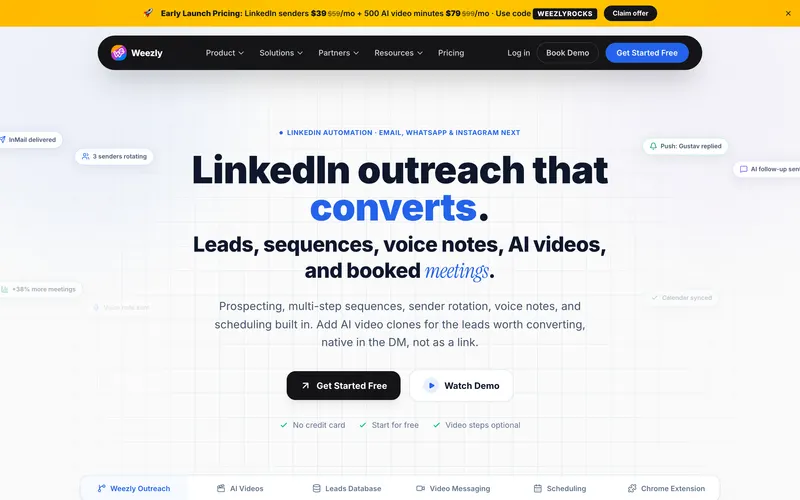

Where prospecting means email at volume: unlimited connected mailboxes, warmup and their own sending infrastructure in one subscription. LinkedIn, voice and video steps are not part of the advertised product set.
Full dossier

The same email first shape, with mailbox rotation, inbox placement testing and dedicated servers sold by the vendor that runs the sequencer. The extras are metered one by one, so the entry price is rarely the final price.
Full dossier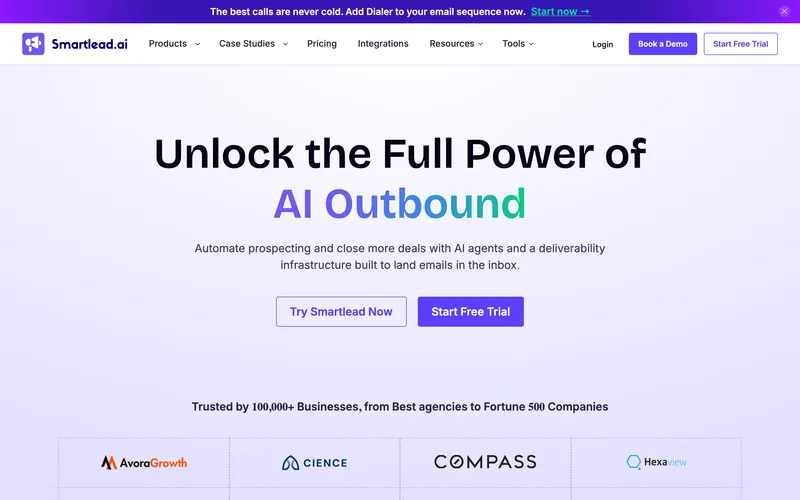

Sequences email, LinkedIn, calls and WhatsApp together, with warmup and a lead database behind them. Per seat pricing adds up quickly once a team of five is on the multichannel plan.
Full dossier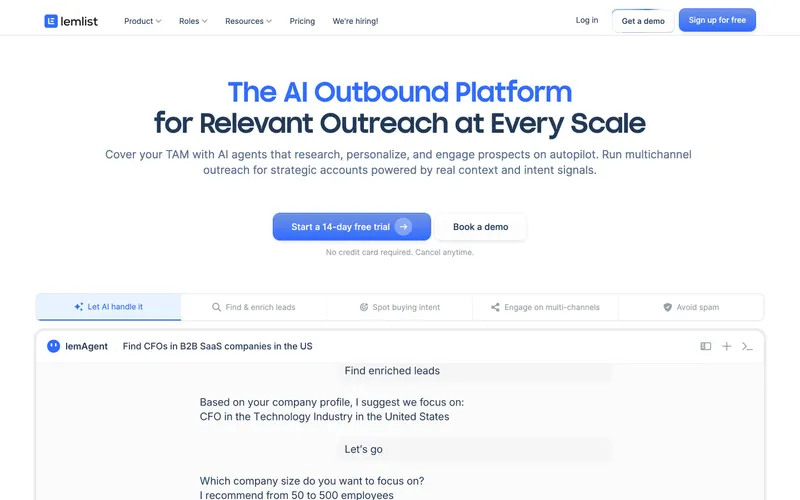

LinkedIn only, and shaped for prospecting that runs across many sender accounts with one inbox on top of them all. Contact data has to come from another line item.
Full dossier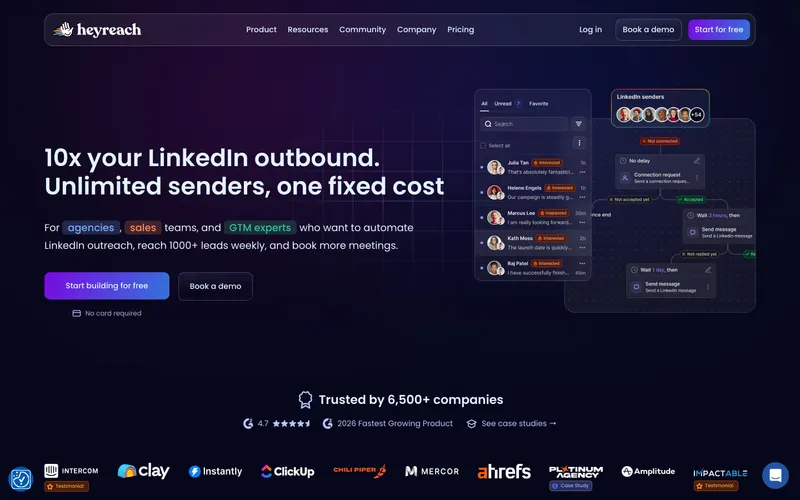

Cadences, call coaching and deal management for an organisation that already runs Salesforce, with the brand now sitting inside the merged Clari and Salesloft business. No published price and no advertised trial, checked August 2026.
Full dossier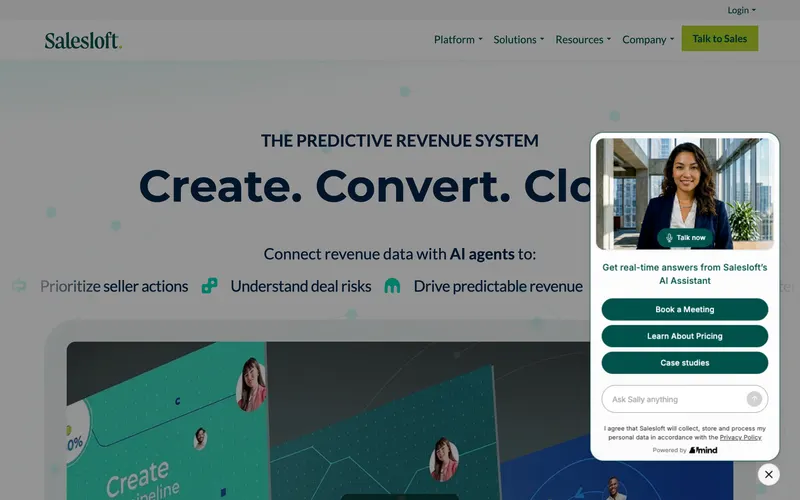

The enterprise counterpart, with AI agents executing sequences and conversation intelligence attached to the calls. LinkedIn arrives as a Sales Navigator task type rather than automated sending.
Full dossier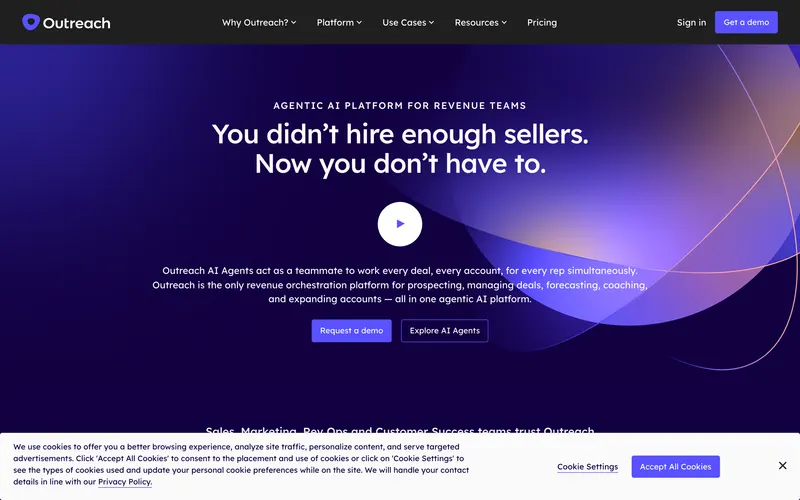
The last step, where a reply becomes a meeting. Either the prospect picks a slot on a link, or a rep gets them on the phone, and both routes carry their own tooling.

The booking link most buyers already recognise, with round robin distribution and routing forms sitting one tier above the free plan. From $10 per seat per month billed yearly, August 2026.
Full dossier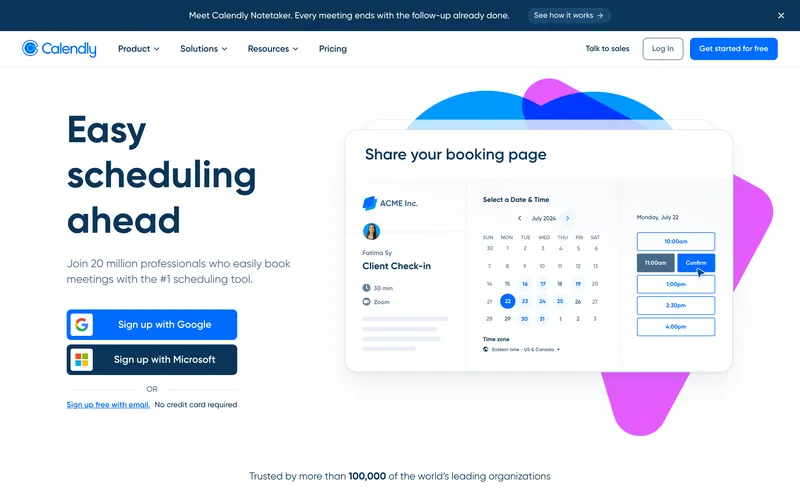

Optimises the invitee side by letting them overlay their own calendar on your availability, which shortens the back and forth on external meetings. Flat per user pricing and no free plan.
Full dossier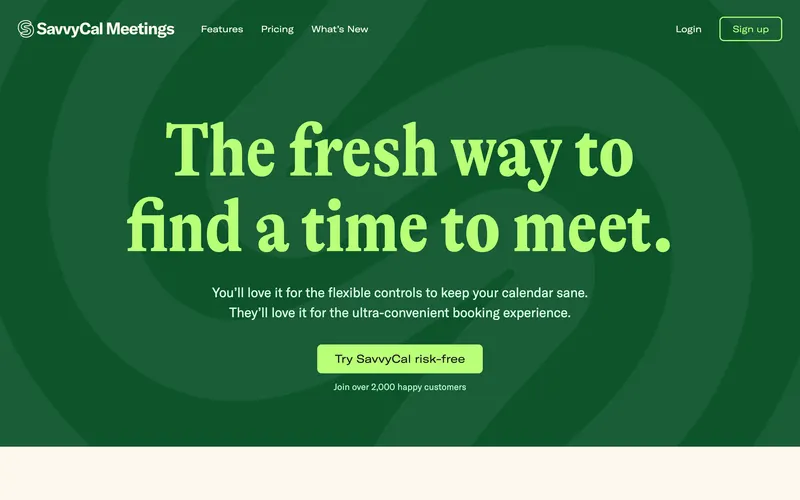

A cloud phone that lives inside the CRM, so prospecting calls log themselves against the record. Call summaries and coaching are separate per license charges, and self serve plans start at three licenses.
Full dossier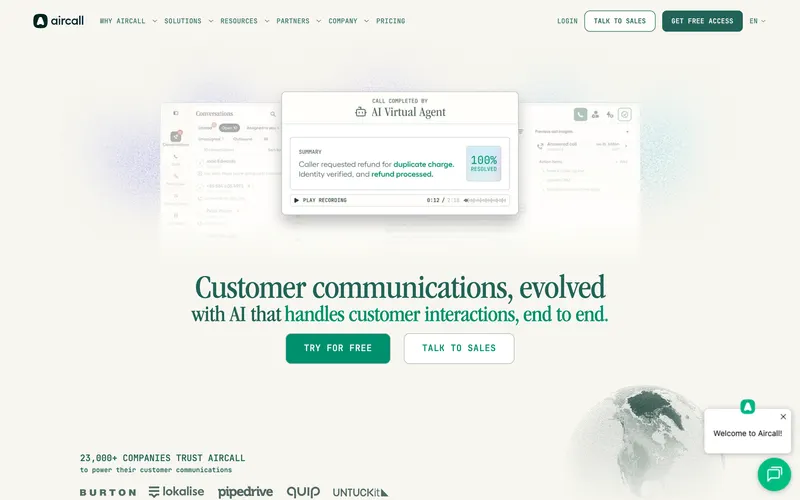

Parallel dialing with coaching, account research and list building around it, for teams whose prospecting day is mostly conversations. Pricing is quote only, checked August 2026.
Full dossier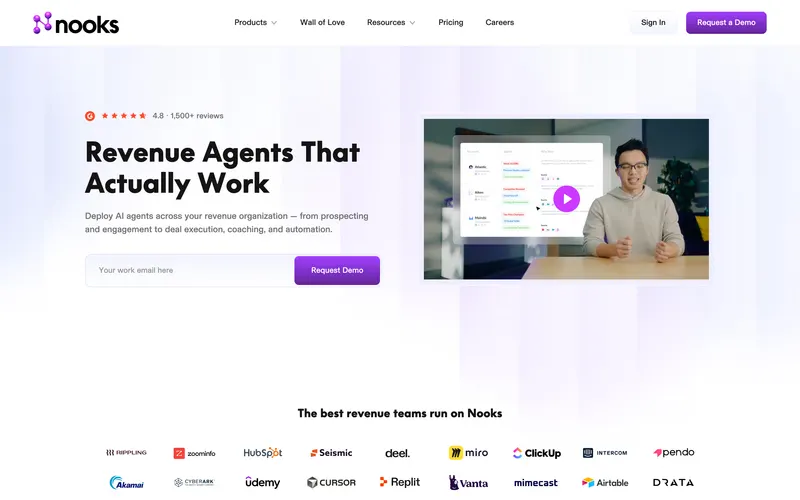
The whole map
Browse the full directory: every GTM tool, with receipts.
A CRM is the record of accounts, contacts and deals your team already owns. Prospecting tools work on the people who are not in it yet: sourcing them, verifying contact details, running the first touches and booking the meeting that creates the CRM record. Some products blur the line, since Close puts a dialer and sequences inside the CRM and Salesloft and Outreach add deal management on top of sequencing, but the buying question is usually whether you need somewhere to store relationships or something to start them.
Self serve pieces are readable: data tools in this list start around $29 to $49 per user per month, sending platforms around $37 to $109, and a scheduling seat around $10, all checked August 2026 on the vendors' own pages. The unreadable part is the enterprise end, where ZoomInfo, Salesloft, Outreach and Nooks publish no prices and quote per account. Also watch the pricing unit, because per seat, per sender account and per credit models diverge sharply once a team grows.
Often, yes. Most platforms are built around one channel and treat the other as a task or an integration: the cold email platforms here do not advertise LinkedIn sending, and the LinkedIn platforms do not run mailbox warmup. A few products sequence both, lemlist among them, which trades some depth in each channel for one bill and one inbox. If both channels matter equally, check how the tool handles replies, since a split inbox costs more time than a split sender.
In practice, three things: a way to build a verified list, one sending tool for the channel your buyers actually reply on, and a booking link so a positive reply does not turn into scheduling emails. Calling tools are worth adding when the motion is genuinely phone led, since dialers and call intelligence carry their own per license costs. Adding a second channel before the first one produces replies usually just doubles the cost of learning the same lesson.
Directory information is compiled from vendors' own published materials and other public sources, dated at verification time, and provided as is for research purposes. All product names, logos and screenshots are the property of their respective owners and are used for identification only; Weezly is not affiliated with or endorsed by the listed vendors unless stated. Verify current terms with the vendor before purchasing. About the data